25 Years On: K4A Takes to the Airwaves for "9/11 We Do Remember"

25 Years On: K4A Takes to the Airwaves for "9/11 We Do Remember"

Some anniversaries you mark on a calendar. This one, amateur radio operators mark on the air.

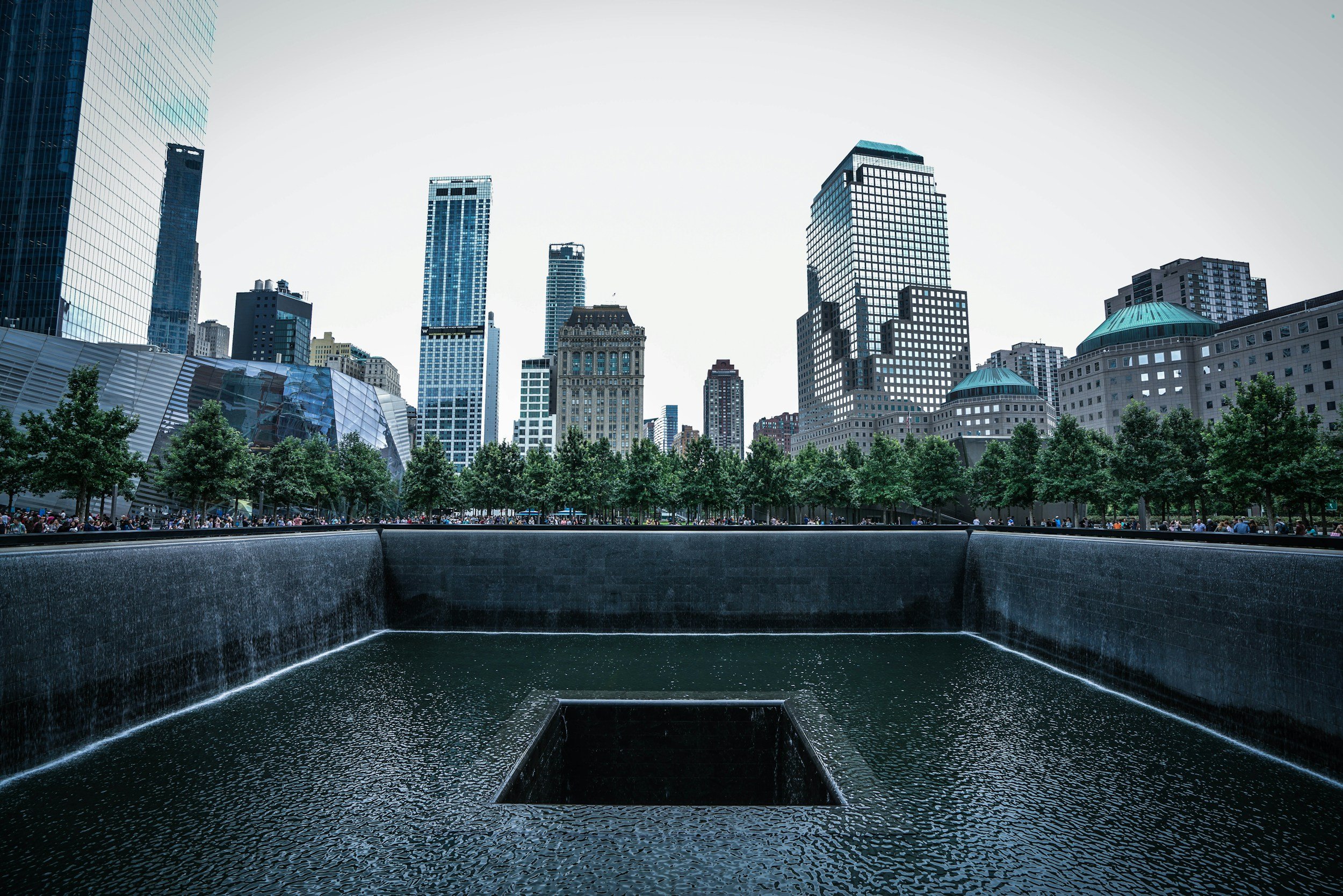
For the sixth year running, the Alabama Contest Group is putting K4A — call sign shorthand for "K4 America" — on the air for the 9/11 We Do Remember special event station. It's a simple idea with a lot of weight behind it: volunteer operators taking shifts across the airwaves, working stations, and giving hams everywhere a chance to share where they were and what they remember.

Twenty-five years. It genuinely doesn't feel that long since the towers fell, the Pentagon was struck, and the passengers of Flight 93 fought back over a field in Pennsylvania to stop a fourth attack. For a lot of us it still plays back like yesterday's news. For anyone licensed since, it's history worth hearing directly from those who lived through it.

Read More

HamSCI Meteor Scatter QSO Parties Target the Perseids

The HamSCI citizen-science community is continuing its 2026 series of Meteor Scatter QSO Parties (MSQP), the upcoming marquee Perseids event scheduled for 12-14 August 2026. A final 2026 event will coincide with the Geminids meteor shower on 13-15 December 2026.

Part special event and part contest, the MSQP aims to generate a large body of contact and reception data to better understand meteor scatter propagation. The effort, originally proposed by HamSCI member McKenzie Denton, KO4GLN, is particularly timely: recent FCC rule changes now permit U.S. amateurs to operate the MSK144 meteor scatter mode on 10 meters, allowing researchers to investigate a key question – which band is better for meteor scatter, 6 meters or 10 meters?

Participation is open to both two-way (transmit and receive) and monitor (receive-only) stations operating from fixed locations. MSK144 is the only mode used, with 50.260 MHz and 28.145 MHz being popular operating frequencies. Stations equipped for both bands are asked to alternate between 6 and 10 meters at 20-minute intervals (xx:00, xx:20, xx:40). Monitor stations should report their decodes via PSKReporter, and all participants are encouraged to submit ADIF logs and WAV recordings of decoded pings after each event to support the research effort. Electronic certificates are planned for participants, and first-time meteor scatter operators are encouraged to self-report their “rookie” status so they can be recognised in the results.

Complete rules and information are available at https://hamsci.org/msqp

International Dog Day and International Cat Day Special Event

International Dog Day and International Cat Day Special Event

An international group of operators will be on the air throughout the month in a mutual celebration of International Cat Day and International Dog Day.

The combined special event stations will be active from the 1st of August through to the 31st of August, to call attention to the needs of abandoned, abused and homeless pets around the world – and to advocate for adoption and humane treatment. In the spirit of friendship and the shared love of animals, they will be looking to raise awareness and hear one another’s stories.

The hams calling CQ are animal-lovers themselves who know the power of rescue because many have been deeply involved in organised animal-welfare efforts or have included a rescued dog or cat in their family.

Read More