BBC Radio 4 Dropping AM/Medium-Wave in April 2024

Effective 15th April, Radio 4 will no longer be available on medium-wave. Medium-wave listeners will need to retune their radio to alternative platforms.

With these two terse sentences at the bottom of a related announcement, the BBC signalled the end of BBC Radio 4’s service on medium-wave, called AM in the United States and Canada. The service will still be available on FM, DAB, digital TV and online.

The frequencies were only being used to support its longwave service, which has been scheduled for closing this month since May of last year.

MW transmission of Radio 4 is ending as there will no longer be a longwave variant of Radio 4’s schedule. There’s no Radio 4 service on MW, it has always been there to support LW. There are only nine transmitters in total providing very little coverage, and affected listeners will have access to Radio 4 on FM even if they don’t have a digital radio.
— BBC spokesperson Laura Zetterberg

HamTV Returns to International Space Station

SpaceX CRS-30 recently returned the HamTV system back to the International Space Station after the system was sent back to earth for repairs in 2019. The Digital Amateur Television (DATV) equipment powering HamTV is typically used in conjunction with school contacts to send video and audio of the contact events to viewers on earth.

HamTV was originally operational in 2013 but failed 6 years later in 2019. With the equipment back on board the ISS, AMSAT expects the equipment to be operating in the coming weeks.

The British Amateur Television Club (BATV) has extensive documentation related to HamTV, including how to receive the DVB-S protocol transmitting from the ISS - https://batc.org.uk/

Amateur Radio Stands Ready to Support Eclipse Operations

Amateur Radio Stands Ready to Support Eclipse Operations

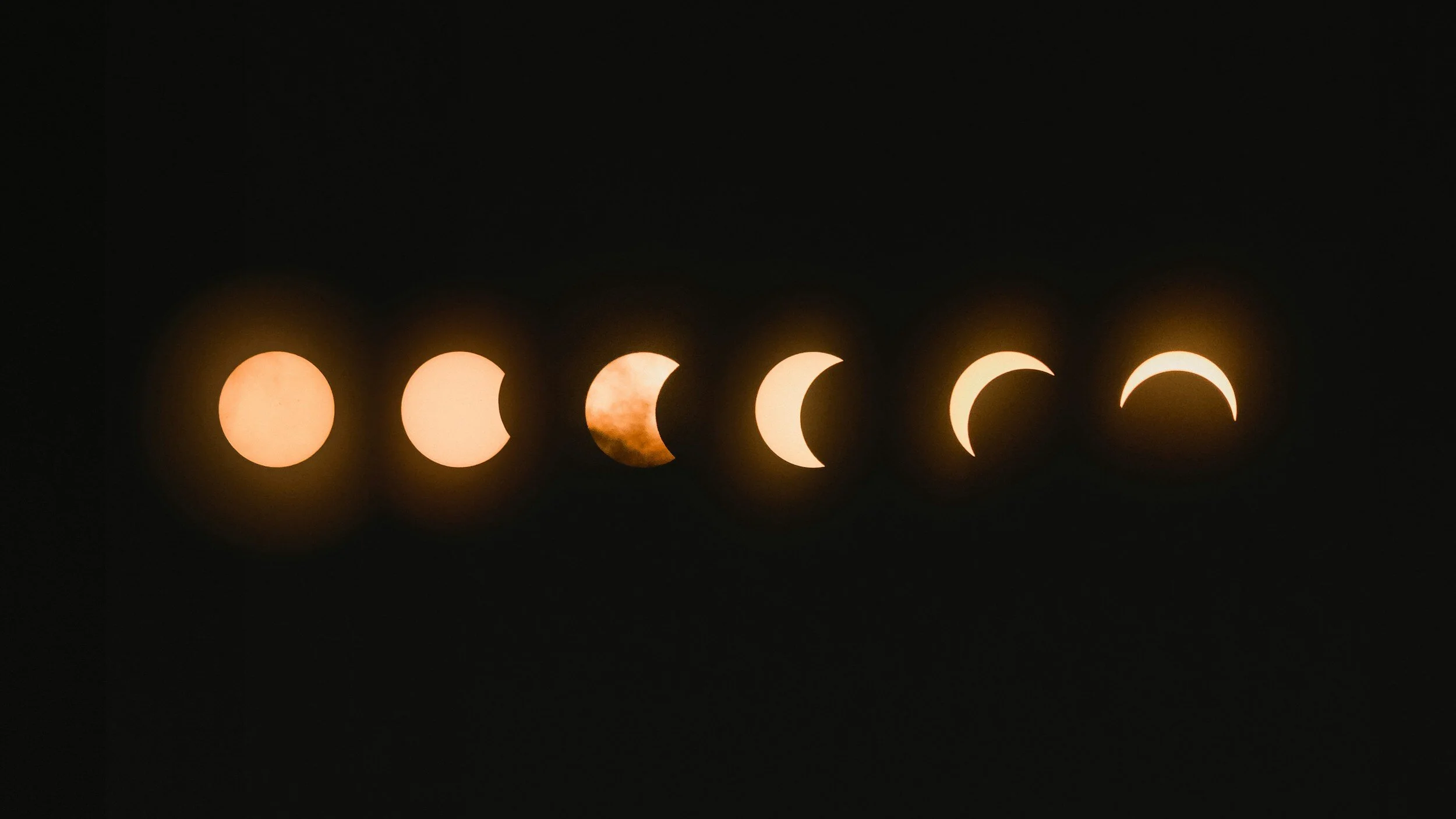
The upcoming 8th April 2024, solar eclipse has many excited about the opportunity to witness the darkness of totality. Spectators from across the country are travelling to the path of total darkness that will stretch from South Texas to Northeastern Maine.

Some states are anticipating more than a million travellers for the event. In the impacted areas, schools will be letting students out early for the day, and residents are being encouraged to avoid driving on the day of the event. Emergency response organizations are adding staff for the event in many areas. The eclipse is expected to directly impact parts of 14 states as it moves across the country. The travel impact alone could be substantial.

In preparation for the event, many state emergency management organizations have called on local hams to provide communication services via HF nets and locally on VHF/UHF frequencies. There have been numerous planning meetings, exercises, and preparations across the country. The ARRL Emergency Management department has worked with ARRL Section Emergency Coordinators and Section Managers in the directly affected areas to collect the frequencies each Section plans to utilise and to assist in any frequency conflicts. Hams across multiple states and ARRL Sections have been practising their communications capabilities via Winlink, SSB, and CW.

Read More