
FCC Cracks Down on "Largest GMRS Network in the US" Over Linked Repeater Violations

FCC Cracks Down on "Largest GMRS Network in the US" Over Linked Repeater Violations

GMRS has exploded in popularity over the last few years, but a Georgia-based network at the centre of that growth has just landed itself in trouble with the FCC.

The Commission has taken action against the operator of a GMRS repeater network covering Georgia and Tennessee, saying his internet-linked system breached rules that prohibit simultaneously retransmitting the same voice message across multiple repeaters at once.

Read More
Pennsylvania Hams Step Up for the Red Cross

Pennsylvania Hams Step Up for the Red Cross

Every busy events season tests the same weak point: what happens when tens of thousands of phones try to hit the same cell tower at once. This summer in southeastern Pennsylvania, the answer came down to amateur radio.

It's been a packed calendar of sports fixtures, celebrations, and large public gatherings across the region, and the American Red Cross Southeastern Pennsylvania disaster response team found itself calling on more local hams than ever to help keep communications solid throughout. The Philadelphia Amateur Radio Emergency Service (ARES) was there as always, but this time the Red Cross widened the net — and hams from Delaware, Chester, Montgomery, and Bucks counties answered the call alongside them. On top of that, the effort got a further boost from members of the Red Cross's own Disaster Services Technology team, led by Cliff Hotchkiss, KC3PGT.

Read More

NASA's PUNCH Mission Cracks Solar Storm Forecasting

NASA's PUNCH Mission Cracks Solar Storm Forecasting

If you've ever had a band go strange on you with no warning, or watched propagation fall off a cliff mid-QSO, you'll appreciate why this next story matters to radio amateurs specifically, not just space nerds.

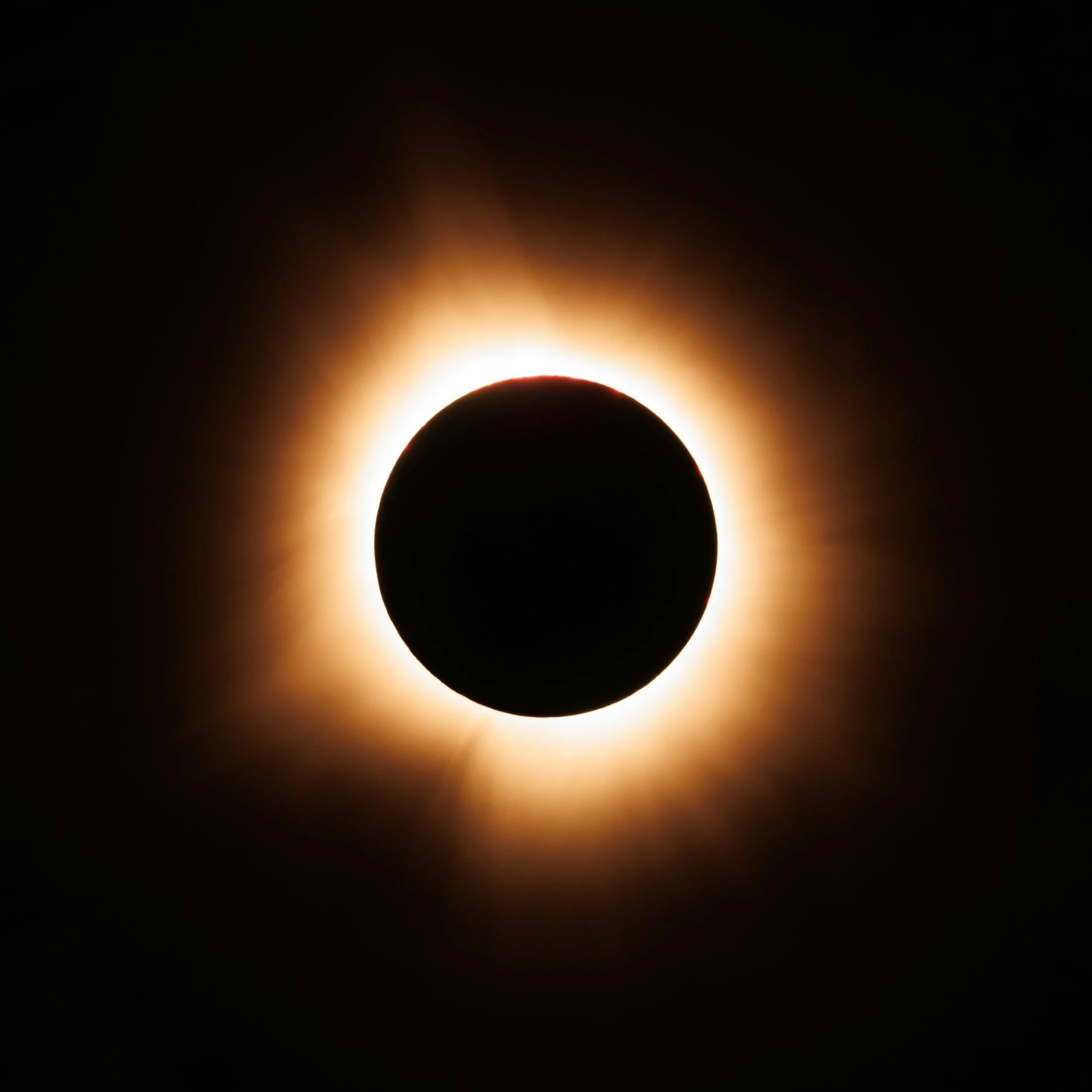
NASA launched its PUNCH mission — the Polarimeter to Unify the Corona and Heliosphere — back in March 2025, with the goal of getting a much better handle on solar weather. It's a constellation of four microsatellites watching the Sun around the clock, and almost as soon as they reached orbit they started capturing images of coronal mass ejections (CMEs): the huge, explosive bursts of solar material flung out into space that, when they strike Earth's magnetic field, kick off solar storms.

Now the PUNCH team has used that imagery to show just how much of a leap forward the mission represents for forecasting.

Read More