Students are ‘Over The Moon’

Students are ‘Over The Moon’

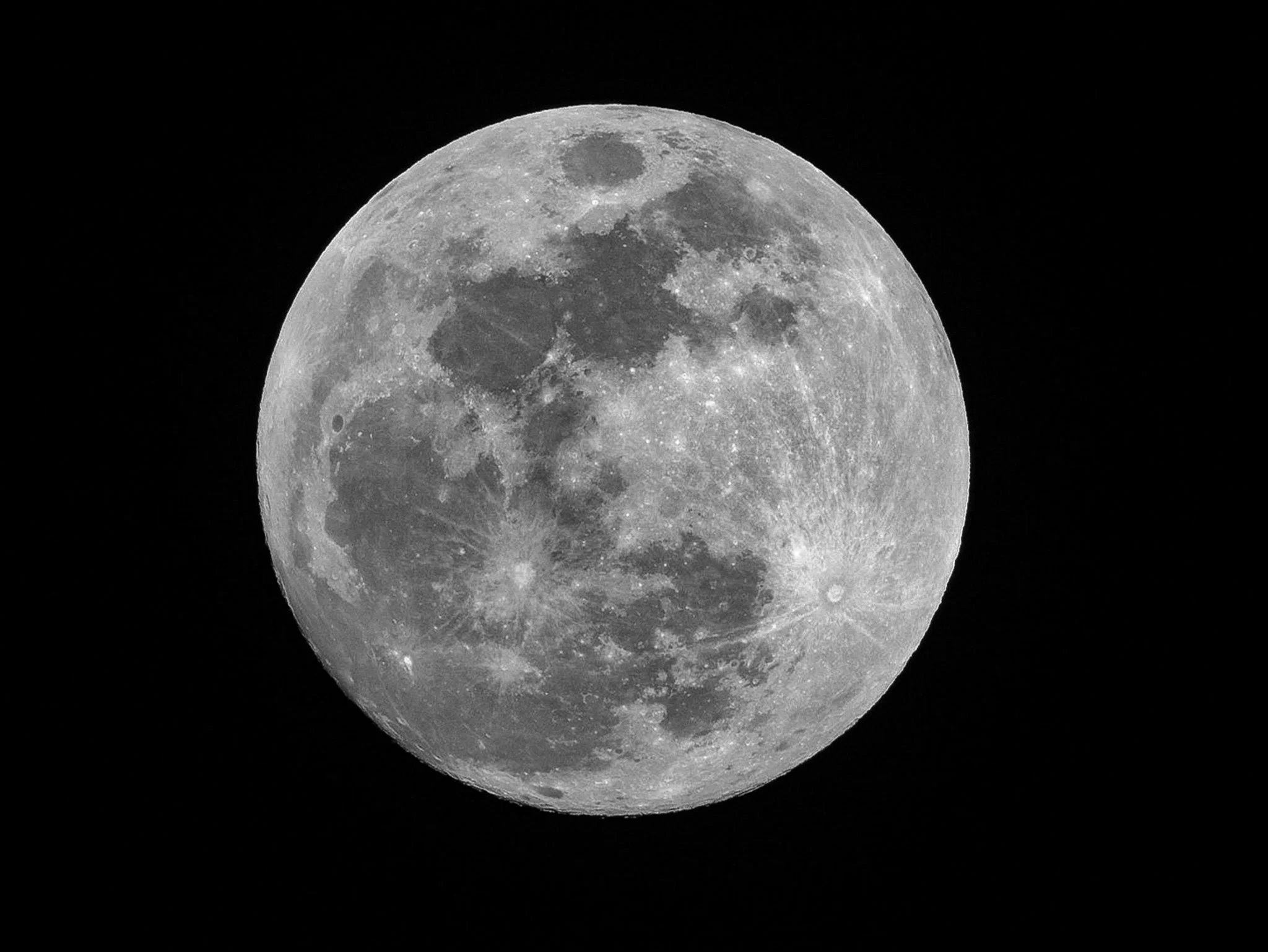
The moon missions of the 1960s were most certainly awe-inspiring, but for those of us who were perhaps young students here on Earth at the time, they were as distant an experience to us as the moon itself. Not so with Artemis II: With eight universities chosen by NASA to track the Orion spacecraft via radio, the moon became a close and almost palpable presence for the young.

Yes, tracking a moon mission can be a personal experience - as many students on several university campuses discovered. In Pennsylvania, Sawyer Mervis and Jake Wendt were up on a campus rooftop in the early morning hours with a parabolic antenna and other student-built equipment. They were collecting data for the US space agency NASA from the 248,655-mile flight around the moon. The receiving station had been a team project, with the Panther Amateur Radio Club at the University of Pittsburgh receiving guidance and support from faculty in various engineering departments.  

Read More

Station's Experiments Explore Use of 4m and 8m Bands

A ham in Florida with an experimental license is busy exploring propagation and its impact on 4 meters and 8 meters.

In the hope of gaining insights into seasonal propagation trends, Sporadic-E, Trans-Equatorial Propagation and low-band VHF path behaviour, the experimental station WQ2XDM has been conducting experiments using the digital weak-signal modes WSPR and FT8 on the 4 metre and 8 metre bands. The license was granted to John K9JMS, who is asking fellow hams to monitor reception and send him reports for data collection. He recommends using PSK Reporter and station logs and screenshots to record time, SNR, grid and frequency details while monitoring FT8 on 40.680 MHz.

The station's website says John will publish a final white paper and an open dataset. The location in Florida is key to the experimental activity because of the region's recurring tropospheric ducting in the Gulf/Atlantic region. Florida's low latitude makes it especially suitable for capturing Trans-Equatorial Propagation and equatorial ionospheric phenomena.

According to the station's page on QRZ.com, the project is aimed at strengthening the case for more interest in and access to 8 metres. Unlike hams in a number of other countries, such as Ireland, Slovenia and South Africa, licensed amateurs in the US do not have access to either 8 metres or 4 metres.

Signal reports or queries can be sent to John at the email address WQ2XDM dot EFF ELL at gmail.com (WQ2XDM.fl@gmail.com).

Arrest for Interference with Emergency Radio Channels

Police in central New York State have arrested a man and charged him with interfering with emergency radio channels by transmitting false statements over equipment he was unauthorised to use.

Local media reports said police stopped Chad Potter of Sherburne, New York, on the 31st of March while he was driving in a vehicle equipped with a number of radios tuned to frequencies where, according to police, he had been disrupting emergency services.

The Investigation into the reported radio interference dates back to 2021. Police said that fire, EMS and law enforcement operations were disrupted several times by his messages. The Media News report described one transmission as [quote[ "shots fired, shots fired" [endquote] - which reportedly caused concern and confusion among first-responders and the public.

On the day Potter was arrested on the radio-related charges, city police had pulled him over in relation to a traffic stop. Investigators said his vehicle was equipped with aftermarket lighting that made it look like he was an emergency responder. Police issued a citation to him for the lighting.